Are there Montessori and Steiner schools? Can a school inspired by Bruno Munari exist? The answer, for us who named our elementary school after this great figure (the first in the world, and with his permission, having asked him in a wonderful meeting with our children), is undoubtedly positive.
There is no such thing as a true Munari pedagogy, but there is a method, based on his teachings, to which the Bruno Munari Association (ABM) has devoted much energy in the past. This association, chaired until a few years ago by his son Alberto (Director of the Psychology Unit at the University of Geneva, one of Piaget's last students) and composed of some of the Milanese artist's closest collaborators (Beba Restelli, Ivana Anconelli, Michela Dezzani, Pia Antonini, Silvana Sperati), is convinced that the legacy left us by this eclectic figure in the educational field is enormous, and in some ways revolutionary.
Ahead of its time, we have had the opportunity to experiment with some of the cornerstones of this methodology and have now refined them into a more mature and better defined approach, thanks to the work developed by ABM and carried forward by the Dacosanascecosa group, which brings together participants from the only two Masters courses completed on the Method.
From the beginning, we have focused on the child's growth process, which, being unique and different from all others, requires its own pace and methods to achieve certain results. Respecting this means providing the child with the basic techniques and enthusiasm to independently draw the conclusions he or she is ready to reach at any given moment.
This involves suspending judgment and shifting attention from the result achieved to the process being undertaken, two key pillars of the Method for us. It is therefore important to encourage the child to take action, observe how they learn, and guide them on their journey of discovery in the most natural way. "If I listen, I forget; if I see, I remember; if I do, I understand": the laboratory aspect of teaching must be prioritized, applied where possible to every subject and extended to the personalized and creative exploration of variations, to test limits and learn to think in relationships through free interdisciplinarity.
Great attention is also paid to the strictly educational aspect of the individual, since knowing what is "other" from us cannot ignore respect for that diversity, understood as a potential source of fruitful exchanges of knowledge and emotions. Munari did not like to be called "maestro," as he considered his own life path one among many possible ones, and he had infinite respect for everyone, especially children, from whom he claimed to learn so much. This is because adults are often too full of stereotypes to still have the capacity for wonder, and when they do learn, they struggle to break the mold. Not him. Not Munari...
What do we do in a Munari school?
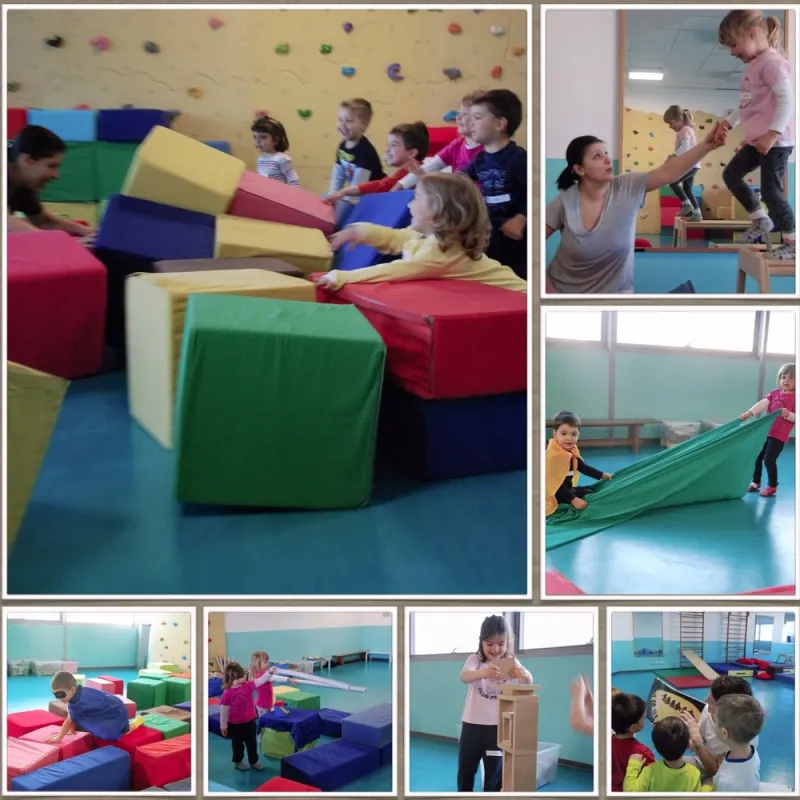
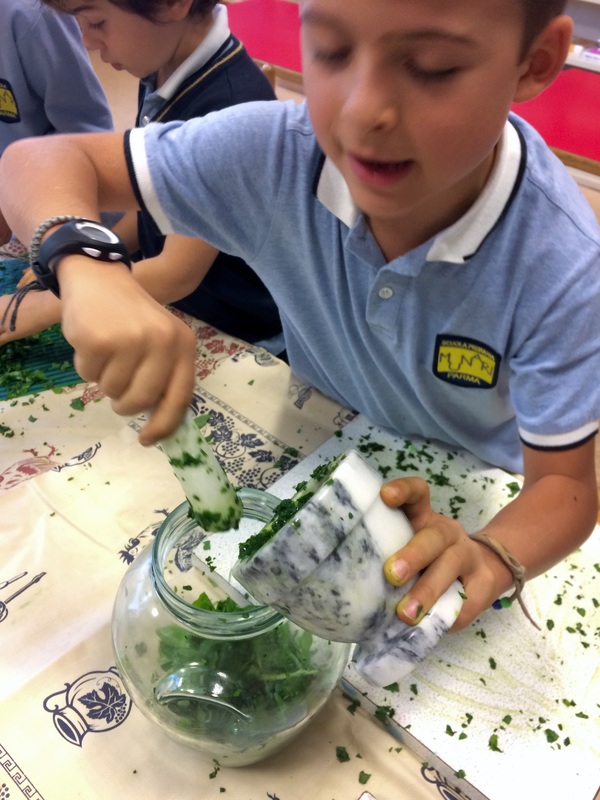
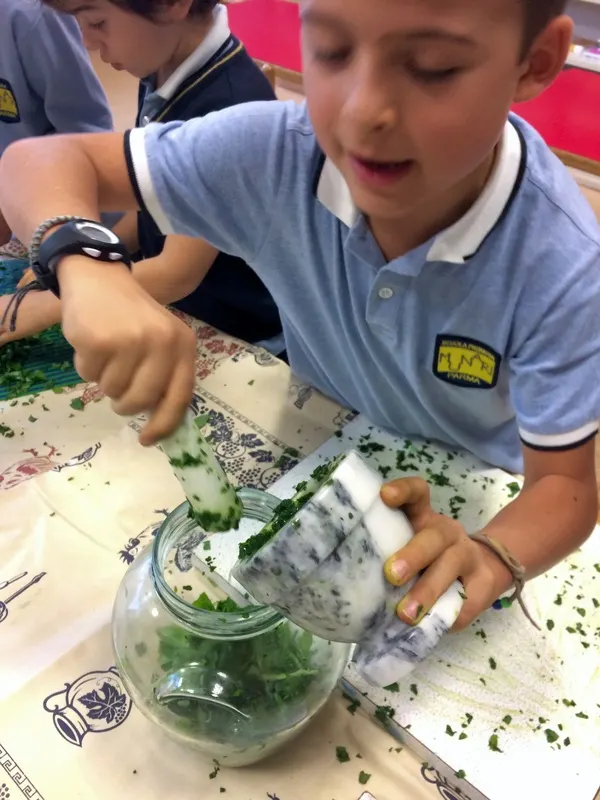
We do it
Because it is by doing that I learn.
(Many, many workshops for many subjects)
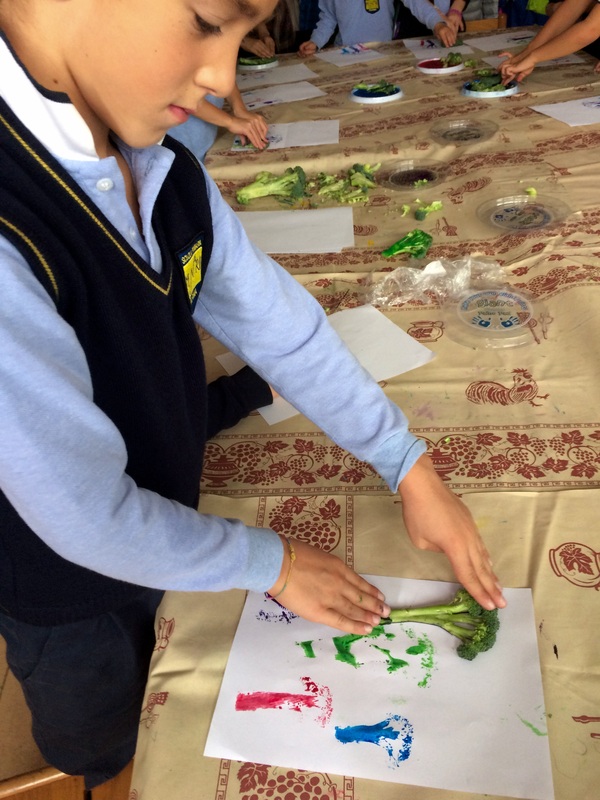
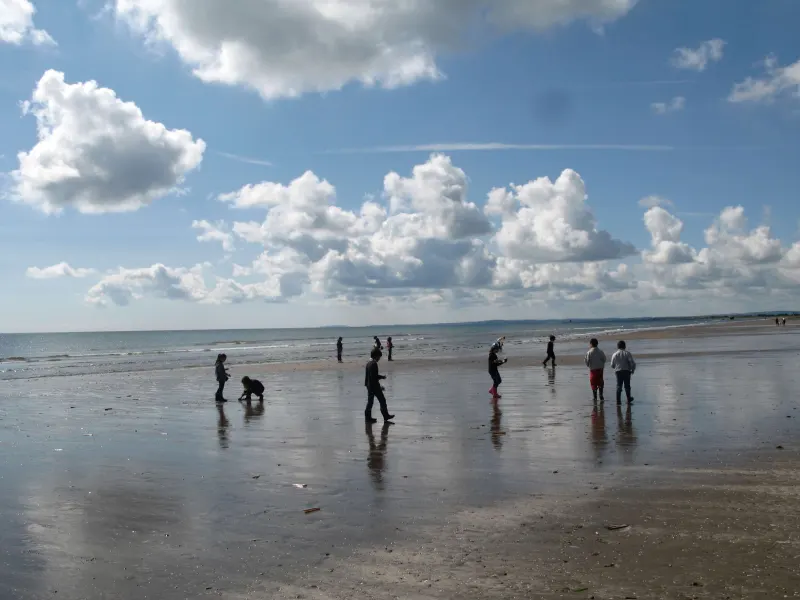
We explore
Because curiosity drives me to learn.
(With all my senses)
We play
Because playing is a serious thing.
(I learn while having fun)
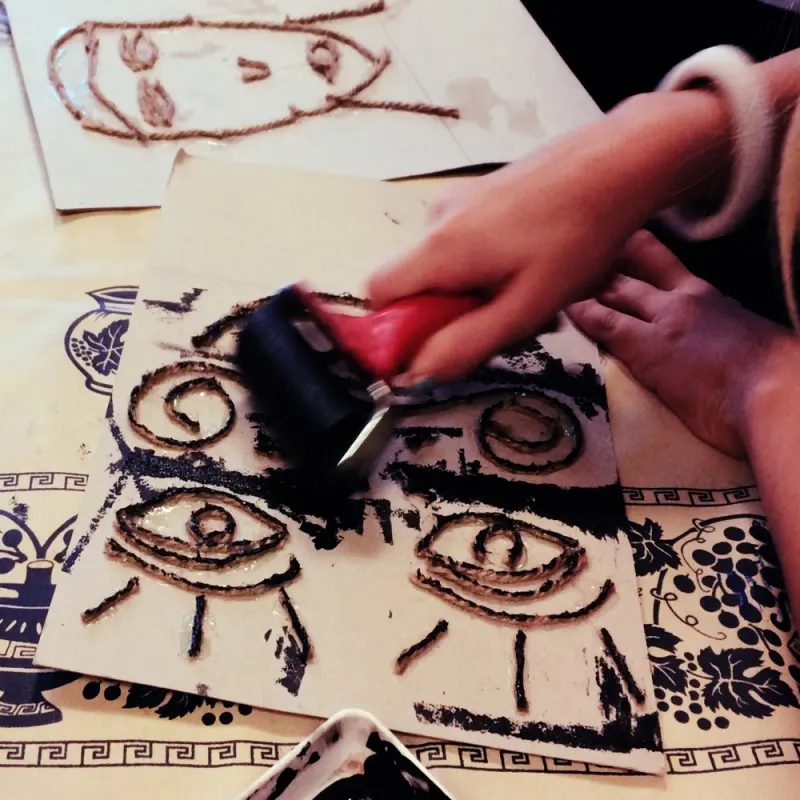
We learn techniques
(The foundations on which I build my knowledge)
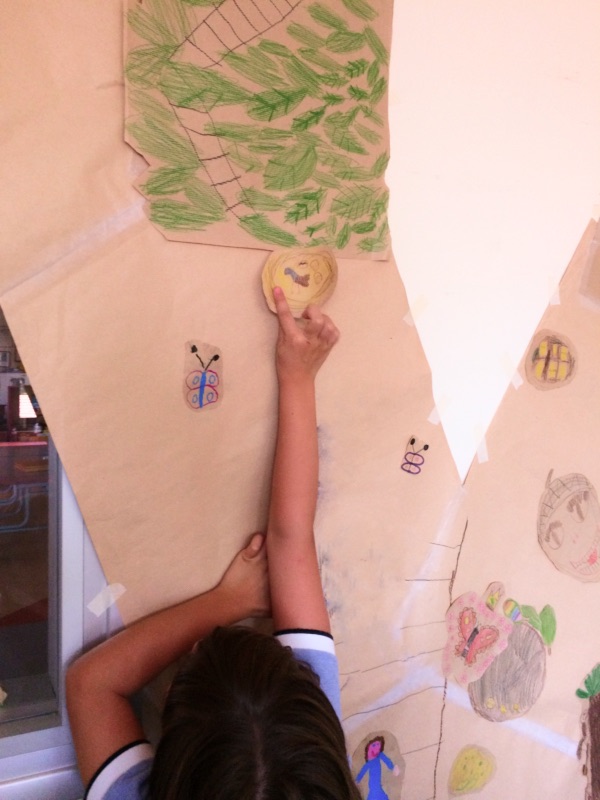
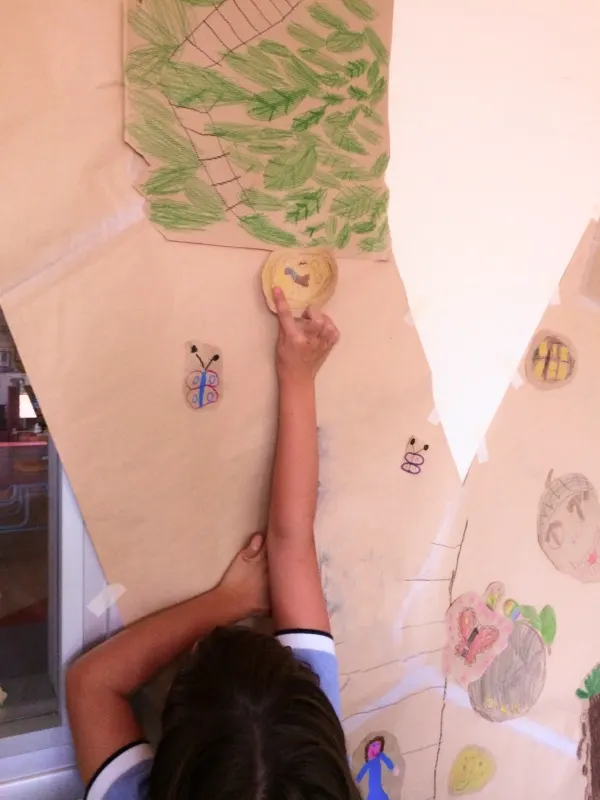
We create
Because every child has a world to share.
We put things in relation to each other
Because everything is connected.
We learn to respect and be respected
Because everything has value.
We grow up
Because I gain autonomy.
 Related articles